Prepaid Cards for kids – The Basic Concept
One of the beneficiaries of innovative banking with the use of prepaid debit cards is that an entire new niche has become available specifically to foster financial responsibility and literacy among children. The prepaid cards for kids niche has produced genuine results and is one of those sectors that we can now say has disrupted the traditional way of doing things – apologies to all those piggy banks out there.
With physical cash being used less and less it seems we are almost earmarking the piggy bank to yesteryear and ringing in the future with a cashless equivalent. So how do prepaid card
Contents
How financial technology firms are helping children learn about money
“Unlike giving your kids physical money which they store in a piggy bank or money box we recall that kids often played shopkeeper and traditionally that was the best we had for educating our young” says Michelle, a mother of two in the home counties raising kids eighteen years ago.
With this technology there are two facets to it. One is having a prepaid card and the second is specialising the prepaid card with innovative features designed just for children. That way you have all the benefits of technology (parents having control and transparency) along with allowing children to think about money in a more responsible manner (earning, saving, even budgeting).
Benefits for kids
- Use the prepaid card to buy things at shops and online
- Take money out of cash machines
- Earn rewards
- Control and track
- As well as a prepaid card they also get a sort code and an account number
- Getting children to think about affordability
Benefits for Parents
- Can monitor your childrens spending
- Can set chores to do
- Can deposit funds to their card such as their pocket money
- Spending alerts
- Set spending limits
Finance for kids – the human side goals
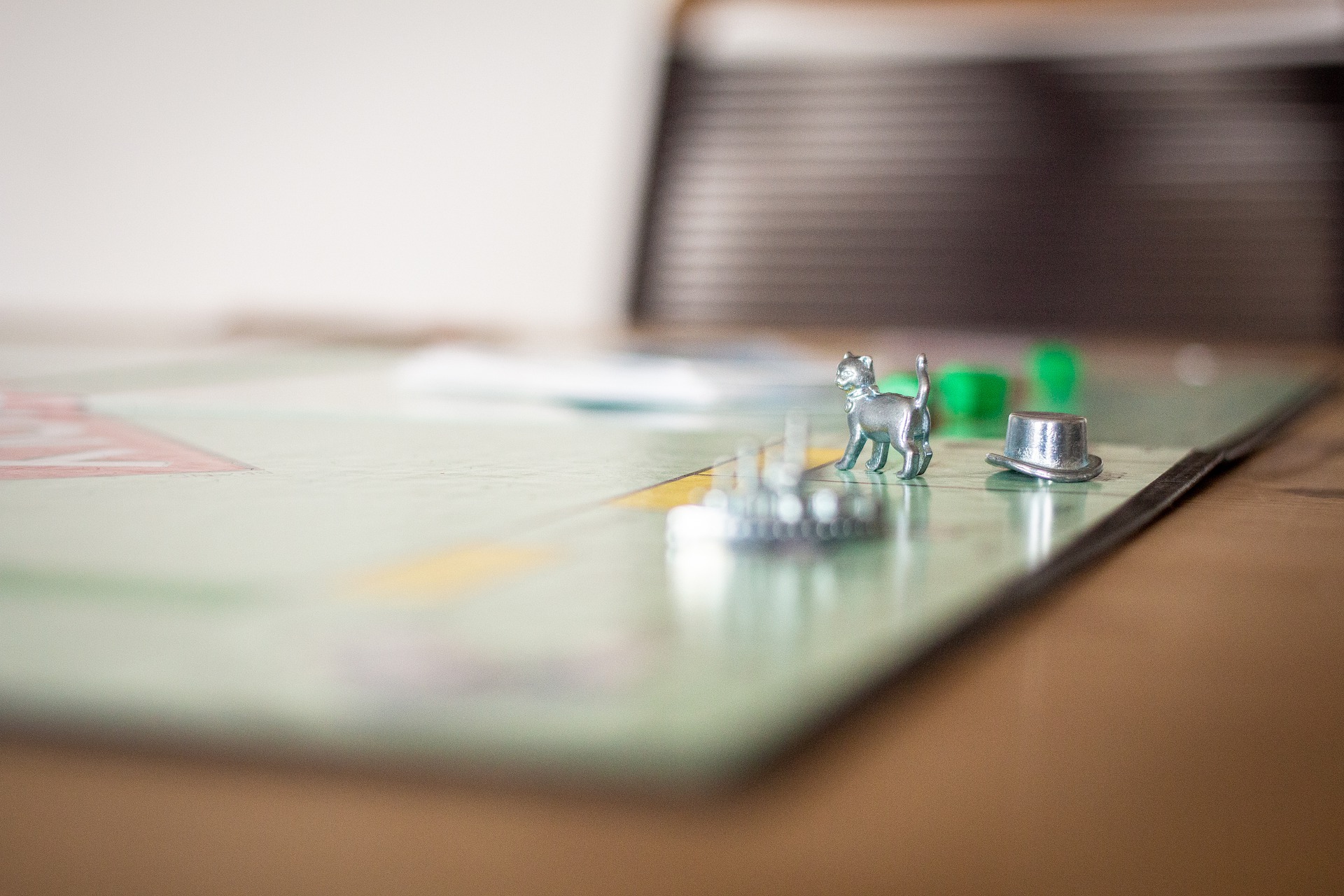
Taking a step back from all the new innovative things card providers are able to give us there is an underlying part separate from technology which ultimately is about teaching our kids financial responsibility. When we were playing shopkeeper and Monopoly with our children we were doing it because we wanted them to understand the concepts of money. We were creating good habits and skills. Its imperative that we start with this as a first building block. So what are the goals we want to achieve? Here is a selection:
- Do ‘good’ actions repeatedly that become good financial habits
- Understand you cannot spend more than what the balance is
- Instill saving habits by having goals eg Birthday and Christmas
- Realise that you can top up the account by completing work and errands
- Before actually spending to make a purchase try researching to find better price
There is also the notion that having a prepaid card operated by your children and configured by parents certainly brings both children and parents together. It gives them both the opportunity to have conversation around how they are using the card. Your youngster will certainly want to be talking to you, in particular if their allowance money has run dry and they need a top-up – A good opportunity then for parents to impart some knowledge around budgeting and financial constraint.
A Steady Path to Financial Maturity using prepaid cards for kids
According to the Jump$tart Coalition – a national nonprofit in the US of more than a hundred organisations from business, finance and academia, which share a commitment to “financial smarts for students” they found that nearly one third of students in secondary schools had a credit card.
To this end having a prepaid debit card where the amount available is typically depicted by what a parent or guardian has put in is a great starting point. It is certainly better to children to learn and become financially literate with a capped prepaid debit card than it is to start off with a credit card, which is effectively borrowed funds at high interest rates. Not being financially literate and having access to a credit card and being a teenager is a messy situation just waiting to happen.
At what age can my child get a prepaid debit card?
GoHenry for example can give your child a card when they are six, cards like Osper and nimbl from eight years. They can then use this till they are eighteen. In the past the general age that children could open a bank account was 16 years old at a bank. This they could do themselves. If the child was younger then a parent or guardian would need to set that up.
Is my child ready for a prepaid cards for kids?
With the rapid increase in technology in recent years it is the parents that are often left behind. Children learn about technology and ICT in school and when they are at home they now have multiple video consoles and tablets that they survive on. And when you think your child is sitting at home well behaved, more likely he has headphones on and is talking to their mates playing an immersive video game where they are ganging up on a monster or saving the planet. The Xbox Game Pass Ultimate which is Microsoft’s monthly payment option to play new games or the equivalent Nintendo Pass might well be their first monthly subscription purchase on their prepaid card. So to answer the question we think that’s a yes.
New technology for a new generation
As a parent you might have thought that your child was financially dependent on you. This traditionally is the case. But with the onset of worldwide access to the internet has allowed some kids to earn far more than their parents. A case in point, Ryan Kaji, in 2020 a then nine year old made £22 million for his Youtube channel, mainly unboxing and reviewing toys. They’ve since expanded with the success with both parents full-time in the business expanding into various Youtube channels and working with various branded toys including Marks and Spencer pyjamas. Nastya, a six year old Russian is another with over 74 million subscribers ( May 2021) that started her channel only in 2016. So you’d think their little ones would have some spending power and what a great way with a prepaid card to control the maximum limit.
How would these cards work practically?
They’re really easy once you’ve gone through it once or twice. Basically, you apply for a card. The first good thing is there is no credit check as it is a debit card. Each provider will have a slightly different take on it but typically a parent would have to open an adult card. They can then order a child’s card and link the two accounts together. Once both cards have been linked the setup is done. You can top up the card, then present the kids card to your son or daughter and let the fun begin!
Through the cards app the parents can monitor spending and set levels for notifications. A nice feature is one can set chores such as cleaning or washing the car. Parents can set this as a challenge or chore and if completed the parent can reward them via the card. For smaller or younger cardholders there might not even be talk about cash amount but to introduce the idea there is a concept of tokens to get them to understand.
Who are the providers
There are a few larger players in the prepaid children market – The big five currently are GoHenry, nimbl, Kite from Starling, Osper and Roostermoney. GoHenry for example seem to be investing right now a lot into advertising. Every time one switches on the TV there is an advert for them. The market is being established right now so we might still see new entrants into the market place.
We then have other smaller providers who started and and still focus on the child niche. On the other hand you have some of the bigger prepaid personal providers for adults adding a new card for the younger generation Revolut Junior case in point.
Are these cards free?
Up to a point a couple of the cards offer a basic service for zero ongoing subscription either by making the parent take out a parent card or else the card has very little extra features but make no bones about it. If you want the most featured level of card it is going to cost. The standard pricing for a standard level of card typically works on a subscription basis. The range of pricing is normally around £2.49 – £3.99 a month. Then on top of that if you want additional cards for more children in most cases its the same cost, only Rooster discounted slightly. Some also charge for topping up the card too.
How they compare
| Card | Age | Monthly Subscription |
|---|---|---|
|
6-18 |
£2.99 |
|
|
HyperJar |
6-17 |
Free |
|
6-18 |
£2.49 |
|
|
8-18 |
£2.50 |
|
|
Revolut Junior |
7-17 |
£2.99 |
|
6-18 |
£2.08 |
|
|
6-16 |
£2.00 |
Summary
Start educating your children about responsible use of a money today with a prepaid debit cards. Not only do these cards offer the chance to discuss finance with your kids, there is a collection of monetary lessons that your children will certainly obtain to further their financial intelligence.
As a parent you are accountable for enlightening your youngsters in monetary matters, do not leave it to the education system, you should act to teach your children regarding money. The time that you invest now with your kids are lessons that will last a life time.